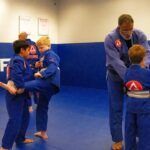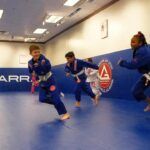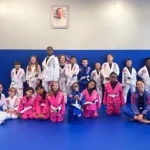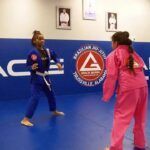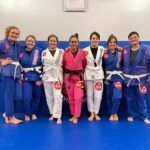

Kids jiu-jitsu classes Trussville can be safe and beneficial for beginners when lessons are age-appropriate, closely supervised, and built around simple drills. At Gracie Barra Trussville, children also gain confidence, discipline, and comfort through steady coaching, clear structure, and a welcoming first-class experience.
Ever wonder how kids jiu-jitsu classes Trussville can help your child grow stronger without feeling overwhelmed? Hi, I am Professor Jacque Dutra from Gracie Barra Trussville, and I have seen quiet kids find their voice on the mat, one class at a time. The truth is, Jiu Jitsu gives children a safe place to learn focus, respect, and calm under pressure, and honestly, those lessons travel far beyond the academy.
When a family walks in here for the first time, I want them to feel welcomed, not rushed. We teach with patience, structure, and care, because every child learns in a different way. Some need confidence, some need discipline, and some just need a place where they belong. That is why our Jiu-Jitsu school keeps the journey simple, supportive, and real, and that is how we build our GB family.
What makes kids Jiu-Jitsu classes safe for beginners
When a family asks about safety, I always start there. In kids Jiu-Jitsu classes, the goal is not wild sparring or big pressure. It is a calm room, clear rules, and a coach who keeps every child moving in a safe way.
How instructors keep class controlled and age appropriate
The safest kids Jiu-Jitsu classes are age-appropriate and tightly guided. That means the teacher picks drills that fit the child’s age, size, and attention span. What if the mat felt less like chaos and more like a classroom where the body learns with purpose?
Here at our Jiu-Jitsu school, we keep movements simple and easy to follow. Children learn one skill at a time, with space to reset and listen. That kind of structure helps beginners stay calm, and it teaches respect in a way they can carry into school and home.
Why supervision and structure matter for younger students
Close supervision and calm structure protect younger students. A coach watches the room, corrects behavior early, and makes sure no child is left guessing. On the mat, that attention matters just like a seat belt matters in a car, because small details can prevent bigger problems.
And when kids know the routine, they feel safer right away. They understand when to line up, when to stop, and when to ask for help. That steady rhythm builds confidence, and many parents notice their children become more focused in everyday life too.
What parents should look for during a trial class
Look for calm coaching, clear rules, and happy kids. A good trial class should feel organized from the start, with instructors speaking kindly and setting simple expectations. You should see children learning, listening, and having fun without the room feeling rushed.
Watch how the professor treats a shy child, and how the class responds when someone needs help. Those small moments tell you a lot about the GB family culture. If the room feels patient and respectful, your child is more likely to enjoy the journey and grow with confidence.
How Jiu-Jitsu helps kids build confidence and discipline
Confidence and discipline do not appear overnight. They grow through small moments, clear habits, and a coach who knows how to guide a child with patience. On the mat, those lessons feel simple, but they can change the way a child carries themselves everywhere else.
Small wins on the mat that show up at school
Small wins on the mat can build real confidence. When a child learns to shrimp, hold a position, or remember a step, they feel proud right away. That little spark often shows up later at school, when they raise their hand more often or speak with a little more ease.
I have seen kids come in quiet and unsure, then start standing taller after a few months of training. They begin to trust themselves because they keep proving they can learn hard things. That is how the gentle art helps shape a stronger mindset, one class at a time.
The role of routine in helping children focus
A steady routine helps children focus. Kids do best when they know what comes next, and Jiu-Jitsu gives them that kind of rhythm. They line up, listen, drill, and reset, which teaches the mind to stay calm and pay attention.
That same habit can help at home and in school. A child who learns to follow a routine on the mat often gets better at finishing homework, waiting their turn, and staying with a task a little longer. Simple structure can be a powerful tool in a child’s journey.
Why encouragement matters more than pressure
Encouraging coaching builds more confidence than pressure ever can. Children learn best when they feel safe enough to try, fail, and try again. A kind word from a professor often does more than a hard push, because it helps the child believe growth is possible.
Here at our academy, we want kids to enjoy the process, not fear it. When effort gets noticed, discipline starts to grow on its own. And that is the kind of lesson that stays with them long after class ends, both on the mat and in daily life.
What parents can expect at Gracie Barra Trussville
When a parent walks into our academy, I want that first feeling to be peace, not pressure. Gracie Barra Trussville is built to help families feel welcome from the start, with simple steps and clear guidance. You do not need to know the sport before you arrive.
The first class experience step by step
The first class is simple and welcoming. A child is greeted, shown where to change, and guided onto the mat with care. We explain the basics in plain language, so the child knows what to do without feeling lost.
That first visit is about comfort as much as learning. Children usually start with light movement, simple drills, and a few easy rules about respect and safety. It gives them a gentle start, and it helps parents see how the academy works from day one.
How coaches match training to age and skill level
Coaches match training to age and skill level. A younger beginner does not train the same way as an older child with more experience. We adjust the pace, the drill, and the level of challenge so each student can grow safely.
That kind of attention matters because every child learns in a different way. Some need more time to watch before they jump in, while others learn by doing right away. When training fits the student, progress feels natural, and that is a big part of the GB family approach.
Why communication with parents stays open
Open communication helps parents feel confident. We want families to know what their child is learning and how they are doing. A good coach keeps that door open, because trust grows when questions are welcome.
As professors, we know parents are part of the journey too. If a child is nervous, improving fast, or needs a little extra support, we want you to hear it. That honest connection helps everyone stay on the same page, both on the mat and at home.
Why the Gracie Barra method works for kids
Parents often ask why this method helps children so much. The answer is simple. It gives kids a clear way to learn, stay safe, and build skill without relying on size or force.
Leverage over strength in child-friendly language
Leverage instead of strength makes Jiu-Jitsu work for kids. Children do not need to be the biggest person in the room to learn well. They learn how to use smart body position, which is easier to understand than trying to overpower someone.
That lesson reaches beyond the mat. A child who learns that technique can solve a hard problem starts to trust patient effort in school, sports, and daily life. It is a simple idea, but it carries a lot of weight in the long run.
How repetition helps young students learn safely
Repetition helps build safe habits. Kids need to see a movement more than once before it feels natural, and that is normal. When a drill repeats in a calm way, the body learns where to go without rushing.
This is one reason the gentle art fits children so well. Repeated practice lets them improve step by step, while the coach keeps an eye on safety and control. That kind of learning helps a child feel steady instead of overwhelmed.
The value of consistency over quick results
Consistency matters more than quick results. A child may not master everything right away, and that is okay. Progress in Jiu-Jitsu usually comes through steady attendance, good habits, and a coach who keeps encouraging the next step.
As professors, we see the change over time. The child who stays with the journey often becomes more confident, more disciplined, and more comfortable with effort. That is a legacy worth building, both on the mat and at home.
How to know if your child is ready to start
Many parents wonder about the right time to begin. The good news is that a child does not need to be perfect to start. If they are curious, willing to listen, and ready to move a little, they may already be ready for the mat.
Signs your child may enjoy Jiu-Jitsu
Curiosity and a love of movement are good signs. If your child likes games, learns by doing, or asks questions about class, they may enjoy training. Some children also light up when they are given a simple challenge they can finish.
I have seen shy children start with just a small smile and end up loving the routine. Others come in full of energy and learn how to focus it in a healthy way. Both types of kids can grow in the gentle art when the environment is right.
Common parent concerns about age, energy, and shyness
Age, energy, and shyness are normal concerns. Parents often ask if their child is old enough, too active, or too quiet for class. The truth is that a good beginner class can meet a child where they are and help them feel comfortable in a group.
Here at our Jiu-Jitsu school, we understand that every child starts differently. A shy child may need a little more time, while a very energetic child may need extra structure. That is why patient coaching matters, because the right pace helps a child feel safe and supported.
Simple next steps for trying a class
The first class should feel simple and low pressure. Parents can bring their child, ask a few questions, and watch how the room feels. A clean space, kind coaching, and clear instructions usually tell you a lot right away.
If your child seems interested, let them try one class before you decide too much. Sometimes the first step is the hardest, and then something clicks. That small beginning can open the door to confidence, discipline, and a place where your child belongs.
Key Takeaways
Here are the main points parents should remember about kids Jiu-Jitsu classes in Trussville.
- Safety starts with structure: Beginner classes work best when they are age-appropriate, closely supervised, and built around simple drills that keep kids calm and focused.
- Confidence grows through small wins: As children learn basic movements and solve small challenges on the mat, they start to trust themselves more at school and in daily life.
- Discipline comes from routine: Clear class habits help kids listen, follow directions, and stay with a task longer, which supports better focus over time.
- Encouragement beats pressure: Kids improve faster when coaches reward effort, give patient guidance, and create a space where trying again feels normal.
- Leverage matters more than strength: The Gracie Barra method teaches technique and body control, which makes Jiu-Jitsu accessible to children of different sizes and ability levels.
- Repetition builds safe habits: Repeating simple movements in a controlled setting helps young students learn without feeling overwhelmed.
- Parents should watch the first class: A clean space, kind coaching, and clear communication are strong signs that the academy is a good fit for a child.
- Readiness is about attitude: Curiosity, willingness to listen, and comfort with group instruction matter more than being perfect before starting.
When children train in a supportive environment, Jiu-Jitsu becomes more than a sport; it becomes a steady path toward confidence, discipline, and growth.
FAQ – Kids Jiu-Jitsu Classes in Trussville
Is Jiu-Jitsu safe for beginners?
Yes. Beginner kids classes are usually safe when they are age-appropriate, closely supervised, and built around simple drills with clear rules.
How does Jiu-Jitsu help my child build confidence?
Kids gain confidence through small wins, steady practice, and encouragement from coaches who help them feel capable on the mat.
What should I expect at my child’s first class?
You can expect a warm welcome, simple instructions, and a low-pressure first class that helps your child feel comfortable from the start.
What if my child is shy or very energetic?
Both shy and energetic children can do well in Jiu-Jitsu. The right class gives shy kids support and helps energetic kids focus their energy in a healthy way.
How do I know if my child is ready to start?
If your child is curious, can follow simple directions, and is comfortable trying something new in a group, they are probably ready to begin.