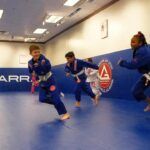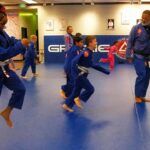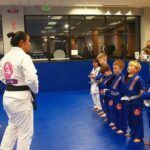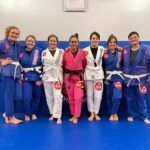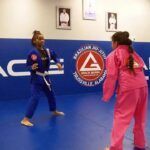

“Jiu-jitsu for kids bullying prevention helps children build confidence, stay calm under pressure, and learn practical self-defense skills. At Gracie Barra Trussville, kids also develop discipline, respect, and healthy boundaries, which can make them less likely to be seen as easy targets and more ready to handle difficult moments.” – Prof. Jacque Dutra
What if your child could learn to stand a little taller, stay calmer, and handle tough moments with more confidence? Jiu-jitsu for kids bullying prevention is one of the most meaningful reasons many parents walk into our academy. Hi, I am Professor Jacque Dutra from Gracie Barra Trussville, and I have seen shy children grow into kids who know how to use their voice, their posture, and their self control.
When a family visits our Jiu Jitsu school, I always remind them that the mat is a place to build character first. The truth is, we are not promising a magic shield, we are teaching practical skills, respect, and awareness, one class at a time. And honestly, that kind of growth can change how a child moves through school, friendships, and everyday life.
Why Bullying Prevention Starts With Confidence
At Gracie Barra Trussville, we see this every week on the mat. A child may start out quiet, look down, and keep to themselves. Over time, small wins in Jiu-Jitsu begin to change the way they walk, speak, and handle pressure. That is why confidence matters so much in bullying prevention.
How confidence changes the way kids carry themselves
Confidence changes the way a child carries their body and their voice. When kids stand taller, make eye contact, and speak clearly, they often send a simple message, I know my worth. In the gentle art, we see that shift happen through practice, patience, and support from our GB family.
It is a little like learning to ride a bike. At first, everything feels shaky. Then balance comes, and the child starts moving with more ease. That same feeling often shows up at school, at home, and in friendships.
Why bullies look for easy targets
Bullies often choose kids who seem unsure, isolated, or afraid to speak up. That does not mean the child did anything wrong. It simply means confidence can make a real difference in how others respond. On the mat, we teach kids to stay calm, protect their space, and use smart choices instead of panic.
What if a child learns early that they can hold their ground without starting a fight? That lesson helps in the hallway, on the playground, and even in group projects. It is one more reason Jiu-Jitsu classes for kids can be such a steady part of a child’s journey.
What parents often notice first at home and school
Parents often notice better posture, more eye contact, and a stronger voice first. Some children begin speaking up when something feels wrong. Others become more willing to try new things, answer questions in class, or join a game at recess. Those small steps matter.
And when you least expect it, something clicks. A parent may say their child no longer folds into themselves when problems appear. That is the quiet power of training, and it is part of the legacy we try to build here at our jiu jitsu school.
How Jiu-Jitsu Teaches Kids to Stay Calm Under Pressure
Pressure shows up everywhere, not just on the mat. A hard test, a conflict with a friend, or a tense moment in class can make a child freeze. Jiu-Jitsu gives kids a simple way to slow things down, think clearly, and keep control when emotions rise.
Breathing and focus during stressful moments
Breathing helps a child calm the body before the mind gets overwhelmed. In class, we teach kids to pause, inhale, and look at the next step instead of the whole problem. That small habit can make a big difference when stress shows up at school or at home.
It is a lot like finding your balance after a push. If you rush, you wobble more. If you breathe and focus, you can recover faster. That is one reason the gentle art works so well for children who need steadiness.
Using technique instead of panic or force
Technique gives kids a plan when panic wants to take over. On the mat, they learn that strength is not the answer to everything. Leverage, timing, and good choices often work better than trying to force a result.
That lesson is useful in everyday life. When a child knows how to solve a problem step by step, they often feel less afraid. And when you least expect it, that calm approach starts showing up in schoolwork, friendships, and family life.
Why calm reactions matter in real life
Calm reactions help kids make better choices when something goes wrong. Instead of reacting too fast, they learn to listen, think, and respond with more control. That can help in a disagreement, a crowded hallway, or any moment that feels stressful.
As a professor, I have seen students grow from scattered and tense to steady and sure of themselves. It is not about being perfect. It is about having a better path when life gets noisy, and that is part of the legacy we build together at our GB family.
Practical Self-Defense Skills That Help Kids Feel Safer
Many parents want their child to feel safer without becoming aggressive. That is where Jiu-Jitsu can help. Kids learn simple self-defense tools that focus on control, calm movement, and smart decisions. On the mat, those lessons are practiced in a safe way, so they can become useful when life feels uncertain.
Escapes from grabs and holds
Escapes teach a child how to get free and stay calm. A child does not need to win a fight to protect themselves. They need to create space, move safely, and get to help when needed.
We keep these lessons simple and age appropriate. A student may practice how to slip out of a hold, turn to safety, or move away from danger. It is a skill set that feels practical, not scary.
Distance, balance, and leverage explained simply
Distance, balance, and leverage help smaller kids handle bigger pressure. Distance means knowing how close is too close. Balance means staying steady when someone pushes or pulls. Leverage means using body position and timing instead of brute force.
This is one of the best parts of the gentle art. A child learns that size is not everything. With good technique, they can protect themselves more intelligently, the same way a small plan can solve a big problem.
How safety skills support everyday confidence
Safety skills help kids walk into daily life with more confidence. When children know what to do, they often worry less. That confidence can show up at school, on the playground, or even when meeting new people.
I have seen students hold their heads up higher after a few months of training. They are not looking for trouble. They just know they can handle themselves better now, and that quiet confidence becomes part of their journey with our GB family.
The Role of Discipline, Respect, and Boundaries
Some of the biggest lessons in Jiu-Jitsu have nothing to do with winning a match. They have to do with character. Discipline, respect, and boundaries help children grow into people who know how to act, listen, and protect themselves in a healthy way.
Learning to set healthy boundaries
Healthy boundaries teach a child when to say no and when to step back. On the mat, kids learn that their space matters. They also learn that other people’s space matters too.
That lesson can help in school, at home, and with friends. A child who understands boundaries is often better at speaking up without being rude. That is a useful skill for the journey, both on and off the mat.
Respecting teammates and authority
Respect helps kids train safely and work well with others. In class, they listen to the professor, follow directions, and treat teammates with care. This is part of the GB family culture, and it shapes how they learn.
When children practice respect every week, they usually bring it into daily life. They may become better at waiting their turn, hearing corrections, and handling frustration. Those habits build trust, and trust matters everywhere.
How discipline helps outside the academy
Discipline helps kids keep good habits when no one is watching. They learn to show up, try again, and stay focused even when something feels hard. That kind of consistency can help with homework, chores, sports, and friendships.
As a professor, I often see students grow more responsible over time. A child who once rushed through everything may begin to slow down and think. And when that happens, the lessons from the gentle art start becoming part of their legacy.
What Parents Can Expect at Gracie Barra Trussville
When a family walks into our academy for the first time, we want them to feel welcome right away. Parents usually want safety, kindness, and real progress for their child. That is exactly what we work hard to provide here at our jiu jitsu school in Trussville.
A safe and encouraging beginner experience
New students start in a safe and encouraging environment. We keep the lessons clear, the pace manageable, and the atmosphere friendly. Children learn step by step, so they do not feel rushed or overwhelmed.
That matters more than many parents realize. A child who feels safe is more open to learning and trying again. And when that child smiles after class, you can see the confidence begin to grow.
The value of consistency over quick fixes
Consistent training brings better results than a quick fix. Jiu-Jitsu is a journey, not a shortcut. Kids improve little by little as they return to the mat, practice the basics, and build good habits.
It is a lot like learning to read or play an instrument. Small steps, repeated over time, create real change. Many parents find comfort in that steady rhythm because it feels honest and lasting.
Why our GB family supports long-term growth
Our GB family supports each child’s growth for the long run. We want kids to gain more than skills. We want them to develop respect, confidence, and discipline that stay with them as they grow.
As a professor, nothing makes me prouder than seeing a child become more sure of themselves month after month. A parent may notice better focus at home or a calmer response in a hard moment. That is the kind of legacy we hope to build together, one class at a time.
Key Takeaways
Here are the most important takeaways from how Jiu-Jitsu can help kids prevent bullying and grow with confidence:
- Confidence changes everything: Kids who stand taller, make eye contact, and speak clearly are less likely to look like easy targets. That simple shift can change how they move through school and friendships.
- Calm beats panic: Jiu-Jitsu teaches children to breathe, focus, and stay steady when stress rises. That habit helps them respond better in hard moments instead of freezing or reacting too fast.
- Technique matters more than force: Children learn to use leverage, balance, and timing instead of strength alone. This gives smaller kids practical ways to protect themselves without becoming aggressive.
- Escapes build safety: Basic escapes from grabs and holds help kids understand how to create space and get to help. The goal is control and safety, not fighting back hard.
- Boundaries are a life skill: Training helps children learn when to say no, how to protect their space, and how to respect other people’s space too. Those lessons support healthier behavior at home, school, and in class.
- Discipline creates growth: Regular practice builds focus, responsibility, and self-control over time. Kids start learning that progress comes from consistency, not quick fixes.
- Parents can expect support: Gracie Barra Trussville offers a safe, encouraging beginner experience with a welcoming GB family atmosphere. That environment helps children grow in confidence for the long term.
Jiu-Jitsu works best when it helps kids build skills, habits, and confidence that stay with them long after class ends.
FAQ – Questions Parents Ask About Kids Jiu-Jitsu and Bullying Prevention
How can Jiu-Jitsu help with bullying prevention for kids?
Jiu-Jitsu helps kids build confidence, stay calm under pressure, and learn simple self-defense skills. Those lessons can make them less likely to seem like easy targets and more likely to respond with control.
Is Jiu-Jitsu too aggressive for young children?
No. Kids classes focus on safety, respect, and age-appropriate training. The goal is to help children feel secure and confident, not aggressive.
What if my child is shy or lacks confidence?
That is very common, and Jiu-Jitsu can be a great fit. Kids often grow more comfortable as they learn small wins, practice with teammates, and see their own progress over time.
What skills do kids learn first in class?
Beginners usually start with basic movement, listening skills, balance, breathing, and simple escapes. These foundations help children learn at a steady pace and feel successful early on.
Why choose Gracie Barra Trussville for my child?
Families often choose Gracie Barra Trussville because the environment is welcoming, structured, and focused on long-term growth. Kids get support from instructors and teammates while learning confidence, discipline, and respect.