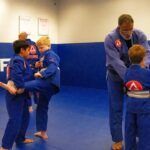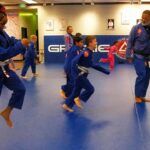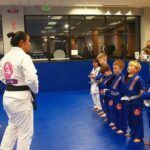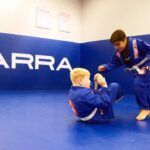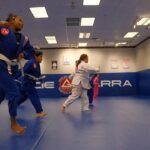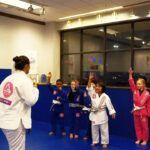
Have you ever watched your child stay quiet in a group, even when they have so much to say? That is where jiu-jitsu for shy kids can make a real difference. Hi, I am Professor Jacque Dutra from Gracie Barra Trussville, and over the years I have seen children find their voice one small step at a time. It is never about pressure, it is about giving them a place where they feel safe to grow.
When a family walks into our Jiu Jitsu school for the first time, we want them to feel welcomed, not judged. We meet each child where they are, and honestly, that is where the best progress begins. Some kids need time, some need a smile, and some need one good class to realize they belong here, on the mat and in our GB family.
Why shy kids often struggle to speak up
Some children are not trying to be distant. They are just taking in the room, the people, and the noise around them. For shy kids, speaking up can feel like stepping into the center of the mat before they are ready. And when that happens, the smallest bit of pressure can make them shut down even more.
What shyness looks like in daily life
Shyness often shows up as silence, hesitation, or looking down. A child may know the answer, but still wait for someone else to speak first. At school, at family events, or here at our jiu jitsu school, you may notice they need extra time before they join in.
That does not mean they are not paying attention. Many shy children are watching closely and thinking deeply. On the mat, I see this all the time, a child who says very little at first may still be learning every detail.
How pressure can make a child withdraw more
Pressure builds fear, and fear makes quiet children go deeper inside themselves. When adults keep asking, “Why are you so quiet?”, a child can feel like they are doing something wrong. Instead of opening up, they often hold back even more.
That is why patience matters so much in the gentle art. Just like a small grip works better than a hard pull, calm encouragement works better than pushing. When children feel rushed, they protect themselves by staying silent.
Why a supportive environment changes everything
A supportive environment gives shy kids the safety to grow. When a child knows they will not be laughed at, rushed, or compared, they begin to relax. Then something beautiful happens, they start to raise their hand, make eye contact, and share a little more each week.
At Gracie Barra Trussville, that kind of growth is part of the journey. Our GB family understands that confidence is built step by step, not forced in one day. And that is how the mat becomes a place where children learn to speak with more ease, both in class and in life.
How Jiu-Jitsu helps children gain confidence naturally
Confidence does not usually appear all at once. For many children, it starts with one clear movement, one kind coach, and one moment when they realize, “I can do this.” That is the quiet power of the mat. Here at our GB family, we see growth happen in small steps, and those steps matter.
Leverage instead of force
Jiu-Jitsu teaches leverage over force. A child learns that they do not need to be the biggest or the loudest to solve a problem. They just need the right timing, the right position, and a calm mind. That lesson feels simple on the mat, but it means a lot in daily life. When a child sees that smart effort works better than panic, they start to trust themselves more. And that trust is where confidence begins.
Small wins that build self-belief
Small wins build self-belief. A first clean breakfall, a new grip, or a smooth escape can give a child a real sense of progress. Those moments may look tiny from the outside, but to a shy child, they feel huge. I have seen students walk in unsure and leave class standing a little taller. Not because someone pushed them, but because they earned each step. That is how confidence grows in a way that feels honest and lasting.
Why progress on the mat carries into school and home
Progress on the mat carries into school and home. When children learn to stay calm, listen, and try again in class, they often bring that same mindset to the classroom and the dinner table. They may speak a little more, handle setbacks better, and feel safer trying new things.
What if the lessons they learn on the mat helped them face a test, a friend group, or a tough day with more calm? That is why we value the journey so much at Gracie Barra Trussville. The confidence we build here becomes part of their legacy, one class at a time.
What makes Gracie Barra Trussville a safe place for shy kids
When a shy child walks into a new place, the first thing they need is not pressure. They need calm faces, clear guidance, and a room that feels welcoming. That is what many families notice here at our academy. Safety is not just about the space, it is about how children are treated from the first hello.
Patient coaching and age-appropriate teaching
Patient coaching helps shy kids relax. We do not rush children or expect them to open up all at once. We guide them with simple words, steady encouragement, and teaching that fits their age and stage.
That matters because young children learn best when they feel understood. A quiet student may need one extra demonstration or one more gentle reminder, and that is perfectly fine. On the mat, patience builds trust, and trust helps children grow.
A structured class that reduces anxiety
A structured class can reduce anxiety. When children know what comes next, they feel more secure. The routine gives them a sense of order, and that makes it easier to focus on learning instead of worrying.
In a busy day, children deal with a lot of unknowns. A clear class format gives them something steady to hold onto. What if that kind of structure helped them feel calm not just here, but in school and other parts of life too?
The value of a positive GB family culture
A positive GB family culture helps shy kids feel like they belong. Children notice when people are kind, respectful, and patient with one another. That sense of belonging makes it easier for them to speak, move, and try again without fear.
As a professor, I have seen shy children begin with very little confidence and slowly find their place in our GB family. They do not change because someone forced them. They change because the environment gives them safety, and safety is where confidence often begins.
What parents can expect in the first weeks of training
The first weeks of training are often less about big changes and more about small steps. That is normal. A child may watch the room closely, listen more than they speak, and need time before they feel fully comfortable. At our academy, we respect that journey.
How kids usually feel on day one
Most kids feel shy and unsure on day one. Some stay close to a parent, some talk very little, and some just observe everything around them. That does not mean they are unhappy, it usually means they are taking it all in.
Think of it like stepping into a new classroom or a new team. The space is fresh, the faces are new, and the child needs a moment to settle. With patience, the mat starts to feel less unknown and more familiar.
Common early adjustments and emotions
Small adjustments can bring real emotions. A child may feel tired, excited, nervous, or proud, sometimes all in the same week. Learning to follow a new routine and meet new people takes energy.
What I always tell parents is this, progress is not always loud. Sometimes it looks like a child tying their belt with less help, answering a question a little faster, or smiling before class starts. Those small moments matter more than people think.
Signs your child is starting to open up
Signs of growth are often simple at first. Your child may make more eye contact, join a group drill without hesitation, or start talking more on the way home. You may also notice better posture and a calmer mood after class.
These changes do not happen overnight, and that is okay. The gentle art works because it gives children repeated chances to succeed in a safe place. And when they begin to trust themselves here, that confidence can follow them into the rest of their week.
How to support your child without adding pressure
Parents want to help, and that love matters. The key is to give support that feels steady, not heavy. A child often grows best when they feel believed in, but not pushed to perform for anyone else. That is the kind of guidance we value at our GB family.
Encouragement that feels calm, not forced
Calm encouragement helps children relax. A simple, steady voice can do more than a long speech. When a child hears, “I am proud of your effort,” they feel supported without feeling trapped by pressure.
This is much like the mat, where timing matters more than force. If we rush a movement, it falls apart. If we guide it patiently, the child can breathe, listen, and try again.
How to celebrate effort over performance
Effort over performance builds real confidence. Praise the part your child can control, like showing up, listening well, or trying one more time. That helps them learn that growth is not only about winning or being perfect.
I have seen children light up when a parent notices their work instead of just the result. It may be a small moment, but it sends a strong message. You are valued for who you are and how you keep going.
When to trust the process and stay consistent
Trust the process and stay consistent. Progress in Jiu-Jitsu often comes in quiet steps, not big jumps. Some weeks feel easy, and some weeks feel slow, but both are part of the journey.
What if the lesson was not only about Jiu-Jitsu, but about life too? A child learns that steady effort matters, even when change is not immediate. And that kind of lesson can stay with them long after class ends.
Key Takeaways
Here are the most important lessons parents can remember about jiu-jitsu for shy kids and how it helps them grow.
- Shyness needs patience: Many shy children are not refusing to engage; they are simply taking time to feel safe and understand the room.
- Pressure makes kids withdraw: Pushing a quiet child to speak faster or perform sooner can increase fear and make them hold back even more.
- Confidence grows naturally: Jiu-Jitsu builds self-belief through leverage, calm problem-solving, and small wins that children earn step by step.
- Structure reduces anxiety: Clear routines and predictable classes help children feel secure, which makes learning easier and less overwhelming.
- Patient coaching matters: Age-appropriate teaching and steady encouragement help shy kids relax without feeling forced.
- Supportive culture changes everything: A welcoming GB family environment helps children feel respected, included, and safe enough to open up.
- Progress shows in small signs: More eye contact, easier participation, and a calmer mood are early signs that a child is gaining confidence.
- Consistency beats pressure: When parents celebrate effort and trust the process, children often carry their confidence from the mat into school and home.
Shy kids grow best when they are given safety, patience, and time, because confidence lasts longer when it is built naturally.
FAQ – Shy Kids and Jiu-Jitsu
Why can jiu-jitsu help shy kids speak up more easily?
Jiu-jitsu gives shy kids a safe place to practice confidence step by step. They learn to move, listen, and trust themselves without feeling rushed.
What should parents expect when their child starts training?
In the first weeks, many children feel quiet, cautious, or unsure. That usually changes slowly as the routine feels familiar and they begin to have small wins.
How does Gracie Barra Trussville support shy children?
We use patient coaching, age-appropriate teaching, and a structured class. That helps kids feel calm, respected, and ready to learn at their own pace.
Should parents push their child to be more outgoing?
Usually, no. Calm encouragement works better than pressure, because shy kids often open up when they feel safe and supported.
How do I know my child is gaining confidence?
You may notice more eye contact, a quieter fear of new situations, or more willingness to try. Small signs often come before big changes.