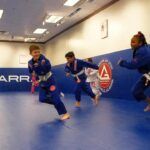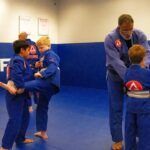
Jiu-jitsu builds confidence by giving students small wins, calm problem-solving, and steady progress on the mat. Kids often show better focus and behavior at home and school, while adults gain a calmer response to stress, stronger self-trust, and more control in daily life.
Have you ever watched someone slowly stand a little taller after a few weeks of training? That is how jiu-jitsu builds confidence, one honest round at a time. Hi, I am Professor Pedro Dutra from Gracie Barra Trussville, and I have seen shy kids, busy parents, and nervous beginners discover a stronger version of themselves through the gentle art.
When you walk into our Jiu Jitsu school for the first time, we do not expect perfection. We welcome effort, patience, and a willingness to learn. And honestly, that is where real growth begins, on the mat, then it starts showing up in school, at work, and in everyday life.
Why confidence starts changing on the mat
Confidence starts shifting on the mat because you begin to see proof that you can handle hard things. At first, that proof is small. You finish a round without giving up. You remember one escape. You breathe instead of panic. And that starts changing how you carry yourself in the rest of the day.
How small wins create real self-belief
Small wins create real self-belief. When a student learns one new movement and uses it well, that moment matters. It may look simple from the outside, but inside the student, something clicks. The mat gives instant feedback, and that makes progress easy to feel.
As a professor, I see this all the time at Gracie Barra Trussville. A child who once froze during class starts finishing drills with a smile. A parent who felt awkward on day one starts speaking with more ease. Those little victories build real self-belief, one class at a time.
That is why the journey works. We do not need giant wins to build confidence. We need steady proof, honest effort, and a place where growth is clear. The mat gives that to us in a very real way, and that is how learning stays alive.
Why leverage matters more than strength
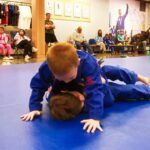
Leverage matters more than strength. In jiu-jitsu, a smaller person can stay safe and solve a problem without using force. That lesson is powerful. It teaches you that smart movement can do more than raw power, and that changes how you face pressure outside the academy too.
When students learn to use leverage, they stop feeling like they must push through everything alone. They begin to trust timing, position, and calm thinking. That is a life lesson as much as a grappling lesson. It helps in school, at work, and in hard conversations at home.
And when you feel less effort, more control, confidence grows in a calm way. You do not have to be the strongest person in the room. You just have to learn the right tools, stay patient, and keep showing up for our GB family.
How kids carry that confidence into school and home
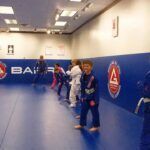
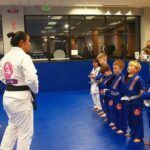
Kids do not leave confidence at the academy door. They carry it into school, home, and every small moment in between. You may notice it first in the way they stand, speak, or respond when something feels hard. That is one of the quiet gifts of the gentle art, and it grows step by step.
Signs parents notice after a few months
Better eye contact and calmer reactions are often the first signs parents see. A child who once looked down may start greeting adults with a steady voice. A child who used to melt down may pause, breathe, and try again. Those small changes matter, because they show that confidence is starting to stick.
As a professor, I hear parents say things like, “My child is more willing to help now,” or “Homework is less of a battle.” That is not magic. It is the result of showing up, learning discipline, and getting comfortable with challenge on the mat. And when a child feels safer in their own skin, school and home both become easier places to grow.
What focus and discipline look like in daily life
Focus and discipline start to show in simple ways. Kids follow directions a little faster. They wait their turn better. They finish tasks instead of walking away the second something feels hard. Those habits come from training, where attention and patience are part of every class.
At home, that can mean putting shoes away without being asked twice, sitting still a little longer during dinner, or trying again after a mistake. At school, it can mean listening more closely and staying on task. We see this often at Gracie Barra Trussville, and it reminds us that confidence is not just a feeling, it is a set of actions that keep growing on and off the mat.
Why adults feel stronger in work and daily stress
Adults often come to the academy carrying a full week on their shoulders. Work pressure, family duties, bills, and long days can wear anyone down. On the mat, they find a place to reset. Little by little, that steady training starts to change how they handle stress outside the academy too.
Confidence without needing aggression
Confidence without aggression is one of the biggest changes adults notice. They stop feeling like they must prove themselves in every tense moment. Instead, they learn how to stay steady, think clearly, and respond with control. That kind of calm has real value in meetings, hard conversations, and everyday stress.
As students improve, they begin trusting their own judgment more. They do not need to raise their voice to feel strong. They carry themselves with more ease, and that often shows up at work and at home. It is a quiet kind of strength, and it lasts because it is built through practice, not pressure.
Stress relief that feels practical and lasting
Practical stress relief comes from doing something real with your body and mind. You move. You breathe. You focus on the next step instead of everything at once. That is why many adults leave class feeling clearer and lighter, even after a hard day.
What makes it lasting is the habit. You are not just escaping stress for one hour. You are learning how to handle it better, one class at a time. At Gracie Barra Trussville, I see adults build a healthier rhythm for life, and that rhythm helps them stay strong on the mat and steady in the rest of the week.
What Professor Pedro sees in new students every week
Every week, I see new students walk in with the same mix of hope and fear. They want to learn, but they are not sure what to expect. That is normal. The mat asks for honesty, and the first step is often the hardest one.
The first class is usually the hardest
The first class is hardest because everything feels new at once. The movements are unfamiliar. The pace is different. Even simple things can feel big when you are just starting, and that is why many students feel nervous before they feel excited.
As a professor, I watch that tension slowly ease once class begins. A student learns how to bow, how to move, and how to keep going after a mistake. That first class may feel tough, but it also opens the door to growth. And once the door is open, the journey becomes easier to trust.
Why encouragement matters more than perfection
Encouragement matters because people grow faster when they feel safe learning. No one needs to be perfect on day one. They need guidance, patience, and a clear next step. That is how confidence starts to take root.
What I always tell my students is simple. Keep showing up. Keep learning. Keep trying. When people hear that from a coach and from our GB family, they start to believe they belong here. And that belief can change how they move through the rest of their week.
How to start your own confidence journey at Gracie Barra Trussville
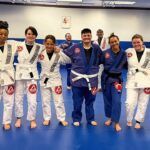
Starting your own confidence journey does not have to feel overwhelming. At Gracie Barra Trussville, the first step is simple. You walk in, meet a coach, and learn in a place that is built to help beginners feel welcome. From there, confidence grows the same way good habits do, one class at a time.
What to expect in your first class
Your first class is usually calm, friendly, and beginner-friendly. You will learn basic movements, meet the team, and follow simple direction. No one expects you to know everything. The goal is to help you feel comfortable enough to start.
Many people arrive nervous, and that is okay. I tell new students to focus on learning one step at a time. When you leave class, you may not feel like a black belt, but you will feel something important. You will feel the start of progress, and that matters.
Why consistency is the real turning point
Consistency matters more than intensity. One strong class can help, but steady training is what changes how you think and act. That is where confidence really grows. It starts with showing up, even on the days when you feel tired or unsure.
As the weeks pass, the nervousness fades and the skills start to stay. Movements feel smoother. Reactions feel calmer. You trust yourself more. That is why I always remind our GB family that the journey is not about being perfect. It is about keep coming back, learning, and letting the mat do its quiet work.
Key Takeaways
Here are the most important lessons from how jiu-jitsu builds confidence at every stage of life:
- Small wins matter: Confidence starts with simple progress, like finishing a round, learning one escape, or staying calm under pressure. Those repeatable wins build real self-belief.
- Leverage beats strength: Jiu-jitsu teaches that smart movement and control matter more than force. That lesson helps students feel capable without needing aggression.
- Kids carry it everywhere: Children often show confidence through better eye contact, calmer reactions, and more willingness to try. Parents may also notice improved focus and behavior at home and school.
- Adults handle stress better: Training gives adults a practical way to move, breathe, and reset after hard days. Over time, they respond to work pressure and daily stress with more calm and control.
- The first class is the hardest: New students usually feel nervous because everything is unfamiliar. That discomfort is normal and often fades once they start learning one step at a time.
- Encouragement comes first: Progress grows faster when students feel safe, supported, and guided. Perfection is not the goal; steady effort and good coaching are.
- Consistency changes everything: Showing up again and again is what turns nervousness into confidence. The real turning point comes from staying with the process long enough for habits to stick.
- A welcoming academy helps: A beginner-friendly environment makes it easier to start and keep going. At Gracie Barra Trussville, that support helps students build confidence on the mat and outside it.
Confidence in jiu-jitsu is built through patience, repetition, and steady support, then it starts showing up in school, work, and daily life.
FAQ – Jiu-Jitsu and Confidence
How does jiu-jitsu build confidence?
Jiu-jitsu builds confidence by giving you small, repeatable wins on the mat. You learn to stay calm, solve problems, and trust yourself more over time.
Why do beginners feel nervous in their first class?
Beginners often feel nervous because everything is new. The movements, the pace, and the people can feel unfamiliar at first, but that usually gets easier with practice.
How do kids show more confidence after training?
Kids often show more confidence by making better eye contact, reacting more calmly, and trying new things without giving up so fast. Parents may also notice better focus at home and school.
Why is jiu-jitsu helpful for adult stress?
Jiu-jitsu helps adults manage stress by giving them a focused place to move, breathe, and reset. It can make hard days feel more manageable and help build a calmer response to pressure.
What is the best way to get started at Gracie Barra Trussville?
The best way to start is by joining a beginner-friendly first class and then coming back consistently. Over time, that steady habit is what turns nervousness into real confidence.