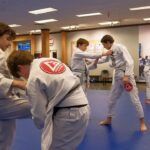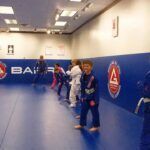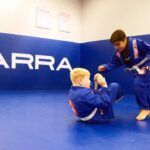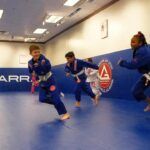
Ever wonder why some children seem to settle down more easily after they start training, and honestly, why jiu-jitsu focus and school performance kids often go hand in hand? Hi, I am Professor Pedro Dutra from Gracie Barra Trussville, and I have seen many young students walk in with extra energy, then slowly learn how to listen, slow down, and finish what they start. Jiu-Jitsu gives them structure, and that structure begins to show up in the classroom, at home, and in everyday life.
When a parent steps into our Jiu Jitsu school, I want them to feel welcome, not rushed. We talk, we listen, and we look at what each child needs, because every journey is different. The mat becomes a place where focus, respect, and confidence grow together, and that is often where the change begins.
Why Jiu-Jitsu Helps Kids Pay Attention in Class
At Gracie Barra Trussville, we see this often. When children know what comes next on the mat, their minds start to settle. That same habit can help them stay with the teacher longer and tune out fewer distractions.
How structure on the mat supports attention at school
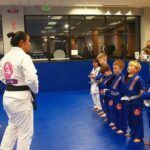
Jiu-Jitsu helps kids pay attention because it teaches them to pause and listen. On the mat, they learn that each step matters, and rushing usually leads to mistakes. That simple lesson can carry into the classroom, where following directions one step at a time makes learning easier. We see a child start class a little wiggly, then settle once the routine begins. They line up, bow in, and wait for the next instruction. That kind of rhythm builds better attention, both at school and at home.
Why simple routines help children stay more present
Simple routines help children stay more present because they know what to expect. In the gentle art, kids repeat the same healthy habits, like listening, waiting, and trying again. Those small patterns help the brain focus without feeling overwhelmed. And when a child feels less stress, it is easier to stay calm in class. A clear routine gives them a steady path, much like a good map on a journey. That is how simple routines on the mat can support school and home in a real, practical way.
What Parents Often Notice After a Few Months of Training
A few months on the mat can reveal real changes. At Gracie Barra Trussville, parents often tell us they start seeing small but steady growth in everyday life. Those changes usually show up first in how children listen, respond, and carry themselves.
Better listening at home and in class
Parents often notice better listening after a few months because children practice hearing one instruction at a time. On the mat, we ask kids to pause, look, and try again. That habit can carry into home life and school, where paying attention makes the whole day smoother. You may hear fewer reminders and see more follow through. A child who once rushed through directions may start slowing down and finishing the task. That is one of the quiet wins of the gentle art, and it matters.
More confidence when facing school challenges
Many parents notice more confidence when school gets hard. A child who learns to keep going after a tough drill starts to trust their own effort. That feeling can help them raise a hand in class, try a harder assignment, or handle a rough day with more calm. I have seen shy students stand a little taller after class, and that change often reaches beyond the academy. Confidence does not appear overnight, but it grows through small wins and steady work. And that is part of the legacy we hope to build in our GB family.
The Connection Between Discipline, Respect, and Learning
On the mat, children learn that good habits are built one step at a time. They do not master everything in one class, and that is okay. The gentle art teaches them to stay patient, keep trying, and learn from each rep.
Why discipline grows through repetition
Discipline grows through repetition because children learn to do the same skill the right way again and again. A simple drill may look small, but it teaches focus, patience, and follow-through. That kind of steady work helps a child build habits they can use in school, sports, and daily life. We often see kids improve when they stop chasing perfect results and start trusting the process. The mat is a laboratory for life, and repetition is one of its best teachers. Over time, that steady practice becomes real discipline.
How respect in Jiu-Jitsu carries into the classroom
Respect in Jiu-Jitsu carries into the classroom because children practice listening, waiting, and responding with care. They bow, pay attention, and learn that other people deserve space and courtesy. Those habits can make school easier, because respectful students often handle direction and teamwork with more calm. As a professor, I notice that children who respect the mat often show that same respect in class. They raise their hand, wait their turn, and listen a little longer. That is how respect grows, and how it can support learning in the classroom.
How BJJ Supports Confidence Without Overwhelming Kids
Confidence grows best when a child feels safe enough to try. On the mat, we do not rush that process. We guide it, step by step, so kids can build courage without feeling lost or pressured.
Small wins that build a stronger mindset
Small wins build a stronger mindset because children see proof that effort works. Maybe they hold a basic position a little longer, remember a new step, or finish a drill they once found hard. Each win tells them, “I can do this,” and that message matters. That is how confidence grows in the gentle art. It does not come from big speeches. It comes from steady progress, one class at a time, and that kind of growth helps kids carry themselves with more calm.
A safe space for kids to learn at their own pace
A safe space helps kids learn at their own pace because they can try, make mistakes, and try again. When a child knows the room is supportive, they relax and learn more. They do not need to be perfect, and that takes a lot of pressure off their shoulders. I have seen quiet students open up when they realize nobody is asking them to be the best right away. They just need to keep showing up and keep learning. That is how we help children feel capable while staying at a safe pace.
What to Expect at Gracie Barra Trussville for Your Child
The first class should feel calm and welcoming. At Gracie Barra Trussville, we help children settle in at their own pace, and we make sure parents know what to expect from the start. That first step matters, and we treat it with care.
A welcoming first class for beginners
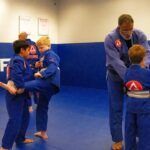
A welcoming first class helps beginners feel safe, seen, and ready to learn. We keep things simple, so your child can focus on the basics without feeling lost. A smile, a clear direction, and a patient coach can turn first day nerves into a good start. Many children walk in a little shy, and that is normal. We meet them where they are and guide them one step at a time. That approach helps them relax and enjoy the journey on the mat.
How our GB family supports children and parents
Our GB family supports children and parents with patience, encouragement, and real care. We want your child to grow, but we also want you to feel informed and comfortable. When parents feel welcome, kids often feel it too. As professors, we see how much a kind word can change a child’s whole day. We stay available, we answer questions, and we keep the path clear. That is how we build trust, and how our GB family keeps growing together.
Key Takeaways
This article shows how Jiu-Jitsu can support a child’s focus, confidence, and school habits through simple routines and steady practice.
- Attention grows on the mat: Jiu-Jitsu teaches kids to pause, listen, and follow one instruction at a time. That habit can carry into class and make school feel easier.
- Structure supports learning: Clear steps, bows, drills, and routines help children know what comes next. Predictable structure reduces stress and makes it easier to stay present.
- Parents notice real changes: After a few months, many families see better listening, calmer behavior, and more follow-through. Small changes in training often show up at home and in the classroom.
- Discipline comes from repetition: Repeating basic skills builds patience and follow-through. Children learn that progress takes time, not perfection.
- Respect becomes a daily habit: Bowing, waiting, and listening to the coach help kids practice courtesy every class. Those habits can carry into school and improve how they respond to teachers and classmates.
- Confidence builds through small wins: Each new skill gives a child proof that effort works. That steady progress helps shy kids feel capable without pressure.
- Safe pace matters: A beginner-friendly class lets children learn without feeling overwhelmed. When kids feel safe, they are more willing to try, make mistakes, and keep going.
- A welcoming academy helps families: Gracie Barra Trussville focuses on patient instruction and support for both children and parents. A caring environment makes the first class easier and the long-term journey stronger.
Jiu-Jitsu helps children grow one habit at a time, and those habits can shape how they learn, behave, and carry themselves every day.
FAQ – Jiu-Jitsu, Focus, and School Performance for Kids
How can Jiu-Jitsu help my child focus better in school?
Jiu-Jitsu teaches children to pause, listen, and follow one step at a time. Those habits can carry into the classroom and support better attention.
What changes do parents usually notice after a few months?
Many parents notice better listening, calmer behavior, and more confidence. Small wins on the mat often show up in daily life too.
Does Jiu-Jitsu help with discipline and respect?
Yes. Kids practice repetition, patience, and respectful behavior in every class. That routine can help those habits grow at school as well.
Will my shy child feel overwhelmed in a Jiu-Jitsu class?
A good kids program should move at a safe pace and give clear guidance. That helps shy children feel comfortable while they build confidence little by little.
What should we expect from a first class at Gracie Barra Trussville?
You can expect a welcoming, beginner-friendly first class with patient instruction. We focus on helping children feel safe, supported, and ready to learn.