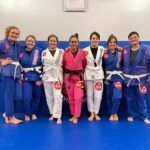
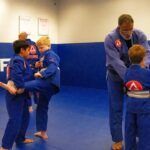
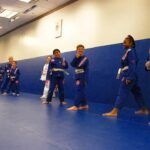
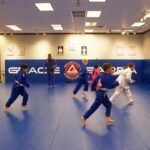
Ever feel like your mind never really turns off, even after a long day? Jiu-jitsu for stress relief can be that steady reset many people need, and honestly, I have seen it change the way students carry themselves on and off the mat. Hi, I am Head Professor Pedro Dutra from Gracie Barra Trussville, and over the years I have watched stressed parents, busy professionals, and nervous beginners find real calm through the gentle art.
When someone walks into our Jiu Jitsu school for the first time, I remind them to breathe, slow down, and focus on one step at a time. That is how we train, and that is how we handle life too. Here at Gracie Barra Trussville, we welcome you like family, with patience, structure, and the kind of encouragement that helps your mind settle while your body learns to work with purpose.
Why Jiu-Jitsu Helps Calm a Busy Mind
Stress often shows up before you even notice it. Your shoulders rise, your breathing gets tight, and your mind starts jumping from one problem to the next. That is why jiu-jitsu for stress relief can feel so powerful, because the mat gives your mind one clear job at a time.
What stress looks like before class
Stress usually shows up as racing thoughts. You may feel tense, tired, or distracted before you ever step on the mat. At Gracie Barra Trussville, I see this all the time, and the good news is that a structured Jiu-Jitsu class can help you slow down and breathe again. It is a lot like trying to solve too many problems at once at work or at home. When everything feels urgent, simple movement can bring your attention back to what is right in front of you. And that first bit of focus is often where the calm begins.
How movement helps the nervous system
Calm movement helps the nervous system settle. When you warm up, drill, and move with purpose, your body starts to leave that stressed state and move toward balance. Many students notice that their breathing gets easier once they settle into the rhythm of class. That is one reason the gentle art works so well for busy people. Instead of letting stress stay stuck in your body, you give it a safe outlet. It is similar to clearing a cluttered desk before starting a new task, and suddenly your mind has room to work.
Why the mat feels like a reset
The mat gives you a fresh start. Once class begins, you are not carrying every problem from the day, because you have one simple task, learn, listen, and keep going. That steady routine can feel like a reset button for the mind. What I always tell my students is this, you do not need a perfect day to train, you just need to show up. And when you leave class, you often feel lighter, clearer, and more ready for life outside the academy. That is the kind of habit that helps our GB family keep learning on and off the mat.
Simple Jiu-Jitsu Routines That Lower Stress
Simple routines can make a big difference when stress starts to build. On the mat, we use small habits that help the body settle and the mind slow down. That is one reason jiu-jitsu for stress relief feels so practical, because peace often begins with one easy step.
Breathing before you step on the mat
Steady breathing helps your body relax. Before class starts, a few slow belly breaths can lower tension and help you feel more in control. I often see students arrive with a busy mind, and after just a moment of breathing, their whole posture changes. It is a simple habit, but it works like turning down the volume on a loud room. You do not have to force calm. You just give your body a chance to catch up, and that can make the first few minutes of class feel much easier.
Warm-ups that clear mental clutter
Light drills create a clear start. When you move through warm-ups, your attention shifts from worries to the task in front of you. That is helpful for kids and adults, because the body starts working and the mind stops wandering as much. Think of it like cleaning a table before studying or cooking. Once the space is clear, everything feels more manageable. The same thing happens on the mat, where simple movement helps build focus without adding pressure.
Closing class with calm habits
A calm exit helps stress stay low. A few minutes of stretching, a respectful thank you to your training partners, and a slow walk off the mat can help your mind stay settled. Those final moments matter, because they teach your body how to leave class with peace. This is one of the best parts of our GB family, we learn that training is not only about effort, but also about balance. When you end class with simple calm habits, you carry that feeling into the rest of your day. And that is how a routine becomes a real tool for life.
How Focus Grows Through Repetition and Structure
Focus does not usually appear all at once. It grows little by little, just like a strong stance or a good breakfall. In our GB family, repetition and structure give the mind a simple path to follow, and that makes jiu-jitsu for stress relief even more powerful.
Learning one detail at a time
One detail at a time helps the brain lock in. When a student repeats a movement slowly, the mind has room to understand it. That is much easier than trying to learn too much at once, especially when stress is already making it hard to think clearly. I often see this with beginners, both kids and adults. The first day can feel overwhelming, but after a few classes, one small detail starts to stick. And when that happens, confidence begins to grow with it.
Why structure helps kids and adults
A clear routine lowers distraction. People feel safer when they know what comes next, and that is true on the mat too. Warm-up, drill, practice, and finish, that steady flow helps the mind stay organized. For kids, structure can support attention and listening. For adults, it can ease the pressure of a busy day and give the brain a break from constant decisions. It is a simple idea, but it makes learning feel easier and more natural.
Turning attention into a habit
Regular practice teaches you to return to the task. Each time your mind wanders and you bring it back, you build a stronger habit of focus. That skill does not stay on the mat, it follows you into school, work, and home life. What I always tell my students is that attention is trained, just like technique. You may not notice the change in one day, but over time the mind learns to settle faster. That is one of the quiet strengths of the gentle art, and it stays with you long after class ends.
What Beginners Can Expect at a Stress Relief Class
Your first class does not have to feel scary. Most beginners walk in with questions, and that is completely normal. At Gracie Barra Trussville, we keep things friendly, simple, and focused on helping you feel better as you learn the gentle art.
How the first class usually feels
A warm welcome helps you relax fast. The first few minutes may feel a little new, but that feeling usually fades once class begins. You are not expected to know everything, and most people are surprised by how quickly they settle in. I often tell new students to take a breath and trust the process. The pace stays calm, the steps are clear, and the room is full of people who remember what it felt like to start. That is how our GB family helps beginners feel at home.
What to wear and bring
Comfortable clothes are enough to start. Bring water, a positive attitude, and anything the academy asks for ahead of time. We will provide you a full uniform (gi) so you can have a full experience. Think of it like getting ready for a class at school or a new workout at the gym. You do not need special gear to take the first step. You just need to show up and be open to learning.
How we keep training safe and simple
Controlled drilling keeps training safe. Techniques are taught one step at a time, so you can understand the movement before you try it at full speed. That slows things down in the best way and helps beginners feel more confident. Partners work together, not against each other, and the coach is always watching the room. That kind of structure matters, because it lets you focus on learning instead of worrying. And when training feels safe, stress has less room to grow.
Building a Routine You Can Keep in Real Life
A routine only works when real life allows it. Work, school, and family all ask for your time, so the best plan is one you can actually keep. That is why jiu-jitsu for stress relief works best when the habit is simple, steady, and supported by people who care.
Choosing a schedule that fits work and family
A routine works when it fits your schedule. You do not need to train every day to make progress. Even one or two classes a week can help you build momentum if the times match your life. That is what I often remind parents and working adults at our academy. The goal is not perfection, it is consistency. When the class time feels possible, you are much more likely to keep showing up.
Small goals that create consistency
Small goals help you start small. You can focus on getting to class, learning one technique, or just leaving with better breathing than when you arrived. Those little wins add up faster than most people expect. Think of it like building a house one brick at a time. If the goal is too big, it can feel heavy. If the goal is clear and small, it becomes much easier to repeat, and repetition is where habits grow.
Why community makes the routine stick
A caring community adds accountability. When teammates and coaches notice your effort, it becomes easier to stay on track. You are not trying to do this alone, and that support can make a big difference on hard days. At Gracie Barra Trussville, I see this all the time. A student may come in tired, but a friendly hello and a good partner can change the whole night. That is the strength of our GB family, we help each other keep going, and that is how a routine becomes part of your life.
Key Takeaways
Here are the most important lessons from using jiu-jitsu for stress relief and focus.
Stress starts in the body: Tight shoulders, shallow breathing, and racing thoughts are common signs before class. Jiu-jitsu gives that stress a clear outlet.
Breathing changes everything: Slow breaths before training help lower tension and make the first minutes on the mat feel easier.
Simple routines reduce pressure: Warm-ups, drilling, and a calm finish create structure. That structure helps the mind settle and lowers stress.
Repetition builds focus: Learning one detail at a time keeps the brain from feeling overloaded. Over time, attention becomes a habit.
The mat feels like a reset: Training pulls you out of daily clutter and gives you one job at a time. That can make class feel like a fresh start.
Beginners can start easily: A welcoming class, comfortable clothes, water, and an open mind are enough to begin. You do not need to be perfect or highly fit.
Consistency matters more than volume: One or two classes a week can still build a strong routine if the schedule fits work and family life.
Community keeps you going: Coaches and training partners provide support and accountability. That encouragement makes the habit more likely to stick.
Jiu-jitsu works best when it stays simple, steady, and realistic, turning stress relief into a routine you can actually keep.
FAQ – Jiu-Jitsu for Stress Relief and Focus
How does jiu-jitsu help with stress relief?
Jiu-jitsu helps with stress relief by giving your mind one clear task, slowing your breathing, and moving your focus away from daily pressure.
Can beginners use jiu-jitsu to reduce stress right away?
Yes. Many beginners feel calmer after the first class because the routine, movement, and support from the coach create a simple way to reset.
What should I expect in a stress relief jiu-jitsu class?
You can expect a welcoming room, basic instruction, light warm-ups, and a calm pace that helps you learn without feeling overwhelmed.
Do I need to be fit before starting jiu-jitsu?
No. You can start at your own pace, and the class is usually built to help beginners grow comfort, confidence, and control over time.
How often should I train to build a good routine?
Even one or two classes per week can help if the schedule fits your life and you keep your goals small and realistic.
Professor Pedro Dutra is a 4th-degree Black Belt Co-Founder and Head Coach at Gracie Barra Trussville. Training since the age of 4, he comes from a traditional martial arts family where all sons became black belts and academy owners. With a background in Physical Education and Exercise Physiology, and over three decades of experience, including coaching UFC-level competitors and teaching seminars worldwide, he brings a technical, science-based approach to the mats.View Author posts