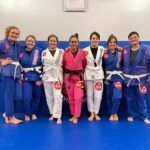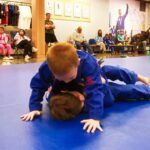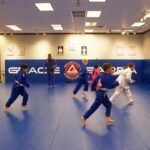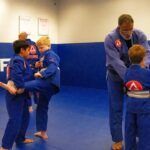
Ever wonder what jiu-jitsu for teens results can look like after just one month? Hi, I am Head Professor Pedro Dutra from Gracie Barra Trussville, and I have seen teens walk in unsure, then start carrying themselves with more calm, focus, and pride. The mat has a way of teaching lessons that show up at school, at home, and in those tough moments when a young person needs to believe in themself.
What I always tell parents is simple, give it time, stay consistent, and watch the growth build step by step. Here at our jiu jitsu school, we welcome teens into the GB family with patience and structure, because the journey is about more than technique. It is about confidence, discipline, and learning how to keep going, even when something feels new.
What teens usually notice in their first month
In the first month, most teens do not become experts overnight. What they usually notice first is that the academy starts to feel less strange, and the mat feels more familiar. Little by little, they begin to ask questions, remember the class flow, and relax around the GB family.
More comfort in a new environment
Most teens feel less awkward after the first few classes. They learn where to stand, when to bow in, and how the room works. That simple comfort can help a shy teen walk in with less stress, just like knowing the rules at school makes a hard day feel easier. At Gracie Barra Trussville, I often see teens arrive quiet and unsure, then start greeting teammates with a little more ease. The mat becomes a place they understand. And when a place feels familiar, the body and mind both settle down.
Early confidence from simple wins
Small wins create early confidence. A teen may finish a drill, remember a step, or stand back up after getting swept. Those moments may look simple, but they matter. They teach a young person that progress comes one round at a time, not all at once. I have seen students light up after doing something they could not do last week. That spark matters. It is like learning to ride a bike, the first steady balance changes how you see yourself.
Why the first weeks feel different
The first weeks feel different because everything is new. New faces, new movement, new rules, and a new rhythm can make a teen feel tired in a good way. The mind is learning, and the body is adapting, so even a short class can feel like a big step. That is part of the journey in the gentle art. Repetition slowly turns confusion into comfort, and comfort turns into confidence. Before long, the teen is not just attending class, they are becoming part of our GB family.
How Jiu-Jitsu can improve focus and discipline
Focus and discipline grow in simple ways on the mat. Teens hear a direction, try it, and then try it again with more care. That rhythm starts to shape how they listen, how they move, and how they handle the rest of the day.
Listening better during class and at home
Jiu-Jitsu trains teens to listen better. They must hear one step, try it, and pay attention to the next detail. That kind of practice can help at home too, because a teen who listens well in class is often more ready to listen during family talks or school directions. I see this happen all the time at the academy. A student starts by looking around or guessing, then learns to slow down and follow the coach. That small shift can make daily life smoother, just like reading the directions before starting a project.
Building habits through repetition
Repetition builds habits. Teens repeat warmups, drills, and simple movements until they become familiar. That is how discipline grows. Not by magic, but by doing the same useful thing again and again. When a teen keeps showing up, the habit gets stronger than the mood. Some days feel easy, some do not, but the routine stays. That is one reason the mat teaches more than technique, it teaches consistency.
Small routines that support school life
Small routines can help school life feel more manageable. A teen who learns to arrive on time, line up, and stay organized in class often carries those habits into homework and morning routines. The lesson is simple, order in one place can support order in another. What I always tell our GB family is this, discipline is not about being perfect. It is about doing the next right thing, even when it is a little hard. And that habit can make a real difference in a school week.
Confidence changes that parents often see first
Confidence does not always show up in big speeches. Many times, it starts with small body language changes that parents notice first at home, in the car, or after class. On the mat, those little signs often say more than words.
Standing taller without forcing it
Parents often notice teens standing taller. Their shoulders relax, their eyes lift, and they carry themselves with more ease. It does not look forced. It looks natural, like a young person who is starting to trust themself. I have seen quiet teens walk in looking down and, after a few weeks, begin to hold their heads higher. That change matters. It can affect how they enter a classroom, greet a neighbor, or face a hard day.
Speaking up with more ease
Many teens begin speaking up more easily. They may answer a question in class, ask for help at home, or talk to teammates with less hesitation. The mat gives them a safe place to practice using their voice. What if a young person learns that their voice has value? That lesson can carry far beyond Jiu-Jitsu. It can help them speak with more clarity and less fear in daily life.
Handling social pressure with more calm
Jiu-Jitsu can help teens handle social pressure with more calm. They learn that mistakes are part of the journey, and that getting challenged is not the same as failing. Over time, that experience can make teasing, nerves, or awkward moments feel less overwhelming. At Gracie Barra Trussville, I often see students breathe easier when they realize they do not have to be perfect to belong. That is a powerful lesson. And it is one of the reasons our GB family grows stronger together.
Physical results after 30 days of training
After 30 days, many teens start to feel real changes in the body. The movements begin to make more sense, the class feels less tiring, and the body learns how to work with better control. It is a steady kind of progress, and that matters on the mat and beyond it.
Better coordination and balance
Teens often gain better coordination and balance. They start to move with more control, stay steady during drills, and react with less stiffness. That can help in sports, walking up stairs, or even just carrying a backpack without stumbling around. I have watched students go from clumsy first steps to smoother movement in a short time. It is not about being perfect. It is about the body learning a new pattern, one repetition at a time.
Improved stamina on and off the mat
Stamina usually improves after a month of training. Teens can last longer in class, recover faster between rounds, and keep going when the work gets harder. That same energy can help after school, during chores, or while keeping up with busy family life. Think of it like building a stronger engine. The work still takes effort, but the body gets better at handling it. And when that happens, a teen often feels more ready for the day.
Safe exercise for growing bodies
Jiu-Jitsu is a safe exercise for growing bodies when it is taught well. Students learn control, balance, and how to move with care instead of force. That protects the body while still giving it a real challenge. Here at our academy, we focus on technique, supervision, and safe repetition. That approach helps teens train hard without reckless movement. It is one more reason families trust the journey in our GB family.
How to support your teen after month one
Month one is a good time for parents to step in with calm support. Teens do not need a lot of pressure. They usually do best when they feel encouraged, noticed, and trusted to keep growing at their own pace.
Encouraging consistency without pressure
Consistency without pressure is the goal. A teen who keeps coming to class builds habits that last. A gentle reminder and a steady routine often work better than forcing every detail. What if the best support is simply showing up and believing in the journey? That kind of support can help a teen stay connected to the mat, even on tired days. And that is how progress keeps moving forward.
Watching for healthy progress signs
Healthy progress signs are often easy to spot. Parents may see better mood, more confidence, cleaner routines, or a stronger will to try. These changes may seem small at first, but they often show the teen is learning and adapting well. I always tell families to look for growth, not perfection. A better attitude after class, a little more responsibility at home, or a calmer response to stress can all mean a lot. Those are real wins.
Knowing when to ask the coach questions
Ask the coach when something feels unclear. A good instructor can help explain what the teen is learning, what to expect next, and how to support the process at home. That keeps everyone on the same page. At Gracie Barra Trussville, we welcome those conversations. We want parents to feel included, because our GB family grows stronger when home and academy work together. That is how we protect the journey and keep building trust.