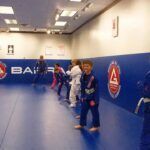
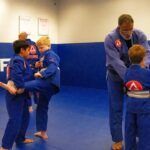
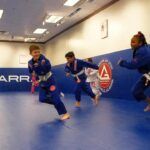
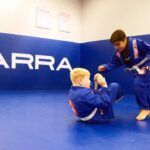
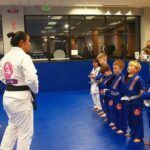
Have you ever wondered how a child can grow stronger without becoming aggressive? Anti-bullying martial arts training gives kids a place to build exactly that, calm confidence. Hi, I am Head Professor Pedro Dutra from Gracie Barra Trussville, and I have watched shy children learn how to stand tall, breathe through pressure, and respond with control instead of fear.
When a family walks into our school for the first time, I want them to feel at home. We teach with patience, real structure, and genuine care, because the gentle art is about far more than technique. It is about helping kids carry those lessons into school hallways, friendships, and the small everyday moments that shape who they are becoming.
Why Jiu-Jitsu Helps Kids Handle Bullying
Jiu-jitsu helps kids handle bullying because it gives them calm, practical tools they can reach for before fear takes over. At Gracie Barra Trussville, we watch children learn how to stand, speak, and move with more confidence, and when that shift happens, the energy they bring into school starts to change too.
Confidence starts with body language. Calm confidence often shows before a single word is spoken. When a child learns to stand tall, hold eye contact, and stay balanced, other people notice right away. A student who once stared at the floor may start walking into class with a quiet but unmistakable presence, and that shift alone can change how others treat them.
Leverage teaches control, not aggression. One of the most useful lessons in jiu-jitsu is that technique beats size. Kids learn they do not need to be bigger, louder, or angrier to protect their space, they need better timing and smarter movement. That same principle helps them in real situations: instead of reacting with panic or anger, they use control, clear limits, and calm decision-making.
Calm responses are a trained skill. “Stay calm” is easy advice but hard to follow without practice. When a child regularly trains to breathe, pause, and think under pressure, they become less likely to freeze or overreact when someone tries to push them around. What starts as a mat habit becomes a life skill, one that shows up in school hallways, tough conversations, and moments when it matters most.
What Kids Learn in Anti-Bullying Classes
Anti-bullying martial arts classes give kids skills they can use at school, on the playground, and in any moment that feels unsafe or unfair. We keep the lessons grounded and real, because children need tools that actually work, not just in class, but everywhere life takes them.
Boundaries and verbal awareness. Clear boundaries are one of the first lessons. Kids practice using their voice, stepping back, and calmly letting someone know that a line has been crossed. Not every conflict starts with physical contact, a strong voice, steady posture, and quick awareness can stop a problem before it grows.
Safe escapes and basic self-protection. We teach simple escapes and safe movement so children know how to get away and find help if someone grabs, pushes, or crowds them. This is not about aggression, it is about smart technique and staying balanced under pressure, the same way you wear a seatbelt not because you expect a crash, but because you are ready if one happens.
Respect, focus, and self-control. Respect and focus are what carry these lessons beyond the mat. Kids learn to listen, wait their turn, and follow direction, habits that make them calmer, more dependable students in every setting. Self-control is the real prize. A child who can pause before reacting is better prepared for tough social moments than one who has never had to practice that skill.
How Confidence Builds Over Time
Jiu-jitsu builds calm confidence gradually, through small wins that compound. At first it might be a new move, a steadier stance, or a quieter response to being pressured. Little by little, those moments add up, and the change begins to show in how a child carries themselves long after class ends.
Small wins on the mat matter more than people think. When a child learns one new skill, finishes a difficult drill, or stays composed under pressure, they leave class feeling genuinely capable. That feeling grows with repetition. A student who starts uncertain may be smiling after class a few weeks later, not because they were told to feel confident, but because they earned it.
Better posture, stronger presence. As kids train, they begin standing taller, moving with more balance, and projecting a steadier presence, often before they even notice it themselves. This kind of body language is not about performance. It is the natural result of knowing how to move, and it sends a clear signal in any social setting.
Confidence that follows them home. Parents are often the first to notice the change, not in class, but at the dinner table, during homework, or in how a child handles frustration. That is one reason we value the journey here at our GB family. The mat is a laboratory for life, and the lessons do not stay inside the building.
What Parents Can Expect at GB Trussville
When parents visit Gracie Barra Trussville, they find a place that feels welcoming, structured, and genuinely focused on growth. We know the first class can bring questions, so we keep the experience clear and pressure-free from the start.
A warm, organized first class. We greet new students with patience, explain what will happen, and help each child feel comfortable before they step onto the mat. For many kids, that first visit is a big moment. A calm start often means a child leaves class feeling proud instead of nervous, and that first feeling of belonging tends to stick.
Age-appropriate coaching. We teach in language kids can actually understand, with goals and drills matched to their age and ability. Clear structure and honest encouragement help students improve at a pace that makes sense for them, not one that overwhelms or bores.
A community that feels like family. Supportive GB family is not just a phrase here. It means parents, students, and instructors work together in a space where kids can grow with real confidence. When children feel supported by coaches and teammates alike, they are more likely to stay consistent, enjoy training, and carry those habits with them everywhere.
Is Your Child Ready to Start?
The honest answer is simple: if your child needs more confidence, better focus, a healthy outlet for their energy, or just a positive place to grow, they may already be ready. The first step does not have to be perfect, it just has to happen.
Signs your child may benefit from training:
Seems shy, anxious, or unsure of themselves in social situations
Struggles with focus, listening, or respecting boundaries
Has high energy with no structured outlet for it
Has experienced bullying or feels uncertain about how to handle conflict
Needs a confidence boost that comes from genuine achievement
Why consistency matters more than perfection. Kids learn best when they show up, try again, and keep moving forward, even when progress feels slow. The mat rewards effort and steady habits, not perfection. And that lesson, learned early, helps children grow in ways that go far beyond self-defense.
Key Takeaways
Calm confidence comes first: Jiu-jitsu helps kids stand taller and carry themselves with more presence, before a conflict ever starts
Boundaries are a trainable skill: Children learn to use their voice and set clear limits calmly and effectively
Technique beats force: Kids learn leverage and control, so they never need to be bigger or more aggressive to protect themselves
Safe escapes reduce fear: Basic self-protection gives kids a real plan, and knowing the plan helps them stay calm
Small wins compound: Each success on the mat builds trust in themselves, and that trust shows up everywhere else
School and home both improve: Focus, posture, and emotional regulation often improve as training continues
The right start matters: A welcoming first class, age-appropriate coaching, and a strong community set children up to stay and grow
FAQ — Anti-Bullying Martial Arts for Kids
How does Jiu-Jitsu help kids handle bullying?
It teaches calm body language, clear boundary-setting, and simple self-protection skills, giving kids real tools to use before fear takes over.
What do kids learn in anti-bullying classes?
They learn to use their voice, set limits, escape safely if needed, and stay respectful and in control during difficult moments.
How does confidence build over time?
Through repeated small wins, a new skill learned, a hard drill finished, a calm response under pressure. Each one builds on the last.
What can parents expect at Gracie Barra Trussville?
A welcoming first class, age-appropriate coaching, and a positive GB family environment where children feel encouraged from day one.
How do I know if my child is ready to start?
If they need more confidence, focus, movement, or a safe place to grow, they are likely ready. A free trial class is the easiest way to find out.
Professor Pedro Dutra is a 4th-degree Black Belt Co-Founder and Head Coach at Gracie Barra Trussville. Training since the age of 4, he comes from a traditional martial arts family where all sons became black belts and academy owners. With a background in Physical Education and Exercise Physiology, and over three decades of experience, including coaching UFC-level competitors and teaching seminars worldwide, he brings a technical, science-based approach to the mats.View Author posts