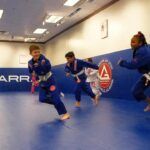
What age to start jiu-jitsu? Many kids are ready starting at 4 years old, but maturity matters more than age alone. A child who can follow simple directions, join a group, and stay comfortable in a beginner class may be ready to begin.
Ever wonder what age to start jiu-jitsu if you want your child to grow in confidence, focus, and respect? Hi, I am Professor Jacque Dutra from Gracie Barra Trussville, and I have seen how Jiu Jitsu helps kids at different stages of childhood. Some walk in shy, some full of energy, and some just need a place where they can learn how to listen, move, and believe in themselves.
When a family walks into our Jiu Jitsu school for the first time, I always tell them to look beyond age alone. The truth is, readiness matters, and every child has their own rhythm. In our GB family, we welcome that process with patience, structure, and care, because the mat is a laboratory for life, and what they learn here can help them at home, at school, and in everyday moments.
What Age Is Best for Kids to Begin Jiu-Jitsu?
When parents ask about the best age to begin, I usually give a simple answer. For many children, ages 4 to 6 is a very common starting point, because they can begin to follow structure, learn basic movement, and enjoy the class.
Age ranges most kids can start
Many kids can start between 4 and 6 years old. At that age, they often have enough attention for a beginner class and enough curiosity to enjoy the mat. Some children are ready a little earlier, and some need more time. Older beginners can also do very well, because Jiu-Jitsu meets each child where they are.
How maturity matters more than a number
Maturity matters more than age alone. A child who can follow simple directions, wait for a turn, and stay with the group may be ready, even if they are younger than other students. I have seen children improve once they feel safe in a clear routine. The mat teaches patience, and that lesson helps at home, at school, and in daily life.
What we see at Gracie Barra Trussville
At Gracie Barra Trussville, we watch the child first, not just the birthday. Some little ones arrive shy, then bloom after a few classes because the beginner class feels welcoming and organized. Others come in full of energy and learn how to channel it with care. That is the gentle art at work, helping each child grow at a pace that fits our GB family.
Signs Your Child Is Ready for Jiu-Jitsu Classes
When parents ask how to tell if a child is ready, I like to keep it simple. Readiness often shows up in small daily moments, not in one big test. At our academy, we look for signs that a child can learn, participate, and feel comfortable on the mat.
Listening and following simple directions
A child is often ready when they can listen and follow simple directions. This may look like stopping when asked, waiting for a turn, or copying a basic movement with some help. These small habits matter because Jiu-Jitsu classes use a clear rhythm. A child who can handle short instructions at home or school may feel right at home in the gentle art.
Comfort with group activities
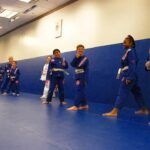
Comfort with group activities is a strong sign of readiness. Your child does not need to be outgoing, but they should be able to join other kids, stay in a shared space, and take part without feeling overwhelmed. We often see children grow more relaxed after a few classes. The mat gives them a place to move, learn, and belong, and that can make a big difference in daily confidence.
Shyness, energy, or confidence concerns
Shyness, extra energy, or confidence concerns can be good reasons to start. Many families think these traits mean a child should wait, but Jiu-Jitsu can actually give them a healthy outlet and a clear path forward. I have seen quiet kids stand taller after a few weeks, and I have seen energetic kids learn better control. That is one of the quiet gifts of our GB family, because the journey builds more than skill, it builds character.
How Jiu-Jitsu Helps Kids Grow on and off the Mat
Jiu-Jitsu does more than teach kids how to move on the mat. It helps them carry better habits into school, home, and everyday life. That is one reason so many parents are drawn to the gentle art.
Confidence and self-control
Jiu-Jitsu helps kids build confidence and self-control. When a child learns a new skill, earns a stripe, or stays calm during a tough moment, they begin to trust themselves more. I often see this change in shy students. They start by looking down, then after some weeks they stand a little taller, speak a little clearer, and handle frustration with more calm.
Focus and discipline
Jiu-Jitsu can strengthen focus and discipline. Kids listen, wait their turn, and follow simple steps, which supports the kind of attention they also need in school. That routine becomes a habit. And when a child learns to stay present for one round, one drill, or one instruction, that lesson can help with homework, chores, and daily responsibilities.
Coordination and healthy movement
Jiu-Jitsu supports coordination and healthy movement. Kids use their whole body, learn balance, and practice movements that build body awareness in a safe and fun way. This matters because movement is part of healthy growth. A child who climbs, rolls, posts, and moves with control is also learning how to use energy with purpose, and that is a gift that lasts beyond the mat.
What Parents Can Expect from a Beginner Kids Program
A beginner kids program should feel clear, calm, and welcoming. Parents want to know what will happen, who will guide their child, and how the first steps on the mat will feel. That is exactly where a good academy can make a big difference.
Class structure for beginners
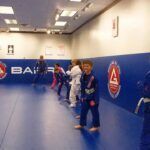
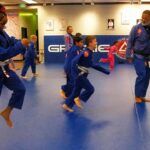
A beginner class should have simple structure. Kids usually start with a warm-up, learn one or two basic ideas, and finish with a short activity that helps them remember what they learned. This kind of rhythm helps children feel safe and confident. It also gives parents peace of mind, because the class is built for learning one step at a time.
Safety, supervision, and pace
Parents should expect close supervision and a steady pace. A strong program keeps the room organized, watches each child carefully, and moves at a speed that matches beginner needs. We never want kids to feel rushed. The best lessons often happen when a child has time to try, make a mistake, and try again with support.
Uniforms, etiquette, and first class comfort
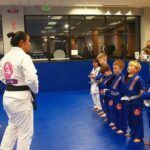
Clear guidance on uniforms and etiquette helps the first class feel comfortable. Parents usually learn what to wear, how to line up, and how children should greet the professor and their teammates. These small details matter more than many people think. They help a child walk in with less worry and leave with a better feeling about the experience, which is a great start to the journey.
Why Starting at the Right Time Matters for Long-Term Growth
Starting at the right time can shape more than one class or one season. It can help a child build habits that last, one small step at a time. That is why many families think carefully before they begin.
Building a healthy training habit
Starting early can help build a healthy training habit. When Jiu-Jitsu becomes part of a child’s routine, it is easier for them to learn consistency and enjoy steady progress. That habit can grow with them. Like brushing teeth or reading each night, a good training rhythm becomes something they know and trust.
How early learning supports lifelong development
Early learning supports lifelong growth. Kids pick up more than movement, because they also learn patience, listening, and how to stay calm when things feel hard. Those lessons can help in many parts of life. A child who learns to keep trying on the mat may also handle school, sports, and friendships with more confidence.
A simple next step for local families
The next step can be very simple. For local families, that usually means visiting the Jiu-Jitsu school, asking questions, and letting the child try a beginner class in a welcoming setting. Also, check if there are at least two to three classes that suits your schedule. Sometimes the best journey starts with one easy visit, and that first step can open the door to years of growth on and off the mat.
Key Takeaways
Here are the most important things parents should remember before starting kids in Jiu-Jitsu classes:
- Age is only part of the answer: Many kids are ready around ages 4 to 6, but maturity, attention, and comfort in a group matter just as much.
- Readiness shows in daily habits: A child who can listen, follow simple directions, and handle short routines is often ready for a beginner class.
- Shy or energetic kids can benefit too: Jiu-Jitsu can help children who need more confidence, better self-control, or a healthy outlet for energy.
- Confidence grows through small wins: Earning progress on the mat helps kids stand taller, trust themselves, and handle frustration more calmly.
- Focus and discipline improve with practice: Regular class routines teach kids how to stay present, wait their turn, and keep trying when something feels hard.
- Movement builds coordination and health: Rolling, balancing, and learning body control support healthy physical development in a safe way.
- Beginner programs should feel welcoming: Parents can expect clear structure, close supervision, a steady pace, and guidance on uniforms and etiquette.
- Starting at the right time supports long-term growth: A simple first step can build habits and life skills that help on the mat, at school, and at home.
The best time to start is when a child is ready to learn, participate, and grow with confidence.
FAQ – Frequently Asked Questions About Kids Starting Jiu-Jitsu
What age is best for kids to start Jiu-Jitsu classes?
Many kids are ready between ages 4 and 6, but the best age depends more on maturity, listening skills, and comfort in a group setting.
How can I tell if my child is ready for Jiu-Jitsu?
Look for simple signs like following directions, joining group activities, and handling short routines without becoming overwhelmed.
Will Jiu-Jitsu help my child become more confident?
Yes. Jiu-Jitsu can help children build confidence by learning new skills, solving small challenges, and seeing steady progress over time.
What should parents expect from a beginner kids program?
Parents can expect a welcoming class with clear structure, close supervision, a steady pace, and guidance on uniforms and etiquette.
Why does starting at the right time matter?
Starting at the right time helps kids build a healthy training habit, learn important life skills, and grow with more consistency and confidence.