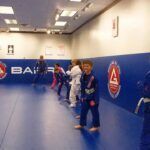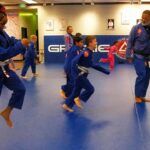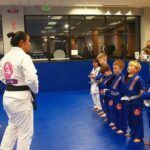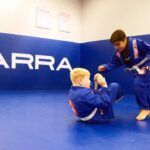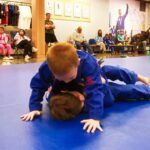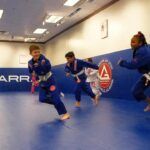
To choose a kids Jiu-Jitsu program, look for a safe, structured class led by a patient instructor, with age-appropriate drills, a clear belt path, and a schedule that fits your family. The best program helps children build confidence, respect, and steady long-term progress.
Ever wonder how your child could grow more confident, respectful, and focused, all while having a good time? If you are trying to learn how to choose kids jiu-jitsu program, I’, here to help. Hi, I am Professor Jacque Dutra from Gracie Barra Trussville, and I have seen shy children turn into steady, smiling leaders through consistent training on the mat.
When a family walks into our Jiu Jitsu school for the first time, I always remind them to look past the hype and pay attention to the details that matter, such as safety, structure, and the way a coach speaks to children. The truth is, the right academy feels calm, welcoming, and clear, and that is where real growth begins for our GB family.
Why the right kids Jiu-Jitsu program matters
The right kids Jiu-Jitsu program matters because it gives children a safe place to build confidence, learn respect, and grow at a steady pace. At our academy, we often see that small wins on the mat turn into better focus at school and calmer behavior at home.
Confidence, safety, and growth on and off the mat
The right program builds confidence by helping kids solve small challenges step by step. They learn how to listen, try again, and trust their own effort. Safe training matters just as much. A good class uses age-appropriate drills, close supervision, and clear rules, so children can learn the gentle art without feeling overwhelmed. And when a child starts standing taller after a few weeks, you can usually see the change in daily life too. They may speak up more, make eye contact, and handle pressure with a little more calm.
What parents often notice in the first few months
Most parents notice better focus, more respect, and a growing sense of routine within the first few months. That is often the moment when the journey starts to feel real. We also hear parents say their child becomes more patient and easier to guide at home. On the mat, they are learning to wait, follow directions, and work with others, which can carry over into school and family life. Of course, progress takes time, like any sport or skill. But with the right kids Jiu-Jitsu program, those early changes can become the beginning of a strong habit that lasts.
Check the instructor’s experience and teaching style
A good instructor does more than teach moves. In a kids Jiu-Jitsu program, the coach shapes the tone of the whole room, and that can make a big difference in how your child feels from day one.
How to spot a coach who connects with children
A coach who connects with children speaks in a clear, calm way and gets down to their level. You will notice that kids listen, smile, and stay engaged without feeling pushed. Look for simple teaching, steady eye contact, and kind corrections. A strong academy should feel structured, but never cold, because children learn best when they feel safe and understood. As a professor, I have seen quiet students open up when a coach takes a little extra time to explain one detail. That small moment can build trust, and trust helps the child keep learning on the mat.
Why patience matters more than loud motivation
Patience matters more than loud motivation because children need time to understand, repeat, and improve. A steady coach helps them grow without fear of making mistakes. On the mat, pressure can make a child shut down. Calm guidance, on the other hand, helps them try again and build real skill at a healthy pace. That is what we value in our GB family, because the gentle art works best when learning feels encouraging. And just like in daily life, a patient teacher often leaves the strongest legacy.
Look at safety, structure, and class environment
When parents visit a kids Jiu-Jitsu program, safety should be one of the first things they notice. A good academy is organized, calm, and built to help children learn with confidence.
Class size, supervision, and age-appropriate drills
Class size matters because smaller groups usually give kids more attention and better feedback. That helps the coach correct details before they turn into bad habits. Close supervision also keeps training safe. Children should never feel lost in a busy room, and drills should match their age, size, and skill level. Here at our jiu jitsu school, we believe structure helps children relax. When the class has clear rules and simple steps, kids can focus on learning instead of feeling unsure.
A welcoming space helps kids settle in faster
A welcoming space helps kids settle in faster because it lowers stress. A friendly hello, clean mats, and a respectful room can make the first class feel much easier. Many children walk in with nerves on day one. But when they see patient coaches and other kids working together, they usually start to feel at home. That sense of belonging is part of the journey. And when a child feels safe and welcome, the mat becomes a place where learning starts to stick.
Compare curriculum, belt path, and long-term development
When you compare programs, look beyond the first class. The best kids Jiu-Jitsu curriculum is the one that helps children grow with patience, clear goals, and real support along the way.
Fundamentals first, then steady progress
Fundamentals first is the right place to begin because strong basics make future learning easier. Kids who learn balance, movement, and control early usually feel more confident as they advance. Steady progress matters more than rushing. A good program gives children time to repeat simple skills until they start to feel natural on the mat. That is one reason the Gracie Barra method has stayed trusted for so long. It follows a clear path that supports the student as a whole person, not just as an athlete.
How a clear path keeps children engaged
A clear path keeps children engaged because they can see where they are headed. When kids know what comes next, they usually stay focused and excited to return. A visible belt path also helps them feel progress in a real way. Small wins matter, and those wins can build the kind of discipline that shows up at school, at home, and with friends. Many parents notice that this structure helps children stay committed longer. And when a child sees growth as part of the journey, the mat becomes a place where confidence keeps building.
Ask about trials, schedules, and family fit
The last step is simple, but it matters a lot. Ask about trial classes, schedule options, and how the program fits your family life before you make a choice.
Trial class expectations and what to watch for
A trial class should feel clear and welcoming. You want to see if the coach explains things well, if the kids are safe, and if your child seems comfortable in the room. Pay attention to how your child reacts after the class. A good first visit does not have to be perfect, but it should leave your child curious, calm, and ready to return. At Gracie Barra Trussville, we always tell families to trust what they see on the mat. A strong first impression usually says a lot about the academy culture.
Choosing a program your child can truly stick with
Choose a schedule your family can keep. Even a great program will be hard to follow if the class times do not fit your week. Look for a place that supports your routine and makes training feel realistic. When practice becomes part of normal life, children are more likely to stay committed and keep growing. That steady rhythm helps build a lasting legacy of discipline and confidence. And that is the kind of journey many families hope to find when they start looking for the right school.
Key Takeaways
Here are the most important points to remember when choosing a kids Jiu-Jitsu program.
- Safety comes first: A good academy uses age-appropriate drills, close supervision, and clear rules so children can train with confidence.
- Look for a patient coach: The best instructors speak at a child’s level, stay calm, and help each student feel seen and supported.
- Check class structure: Small class size and organized teaching give kids more attention and better feedback during training.
- Choose a welcoming space: A friendly room, clean mats, and a respectful atmosphere help children settle in faster and feel comfortable returning.
- Fundamentals matter most: Programs that teach balance, movement, and control first set children up for steady progress over time.
- Follow a clear belt path: A visible path helps kids see progress, stay engaged, and build discipline through small wins.
- Ask about trial classes: A good trial should show you how the coach teaches, how the kids respond, and whether the academy feels like a fit.
- Fit the family routine: The best program is one your child can attend consistently without making weekly life harder.
When the program is safe, structured, and easy to stick with, kids can build confidence, respect, and long-term growth on and off the mat.
FAQ – Frequently Asked Questions About Choosing a Kids Jiu-Jitsu Program
What should parents look for in a kids Jiu-Jitsu program?
Parents should look for a safe, well-structured class, a patient coach, age-appropriate drills, and a schedule that fits family life.
How do I know if an instructor is good with children?
A good instructor speaks clearly, stays calm, gives simple directions, and helps each child feel seen and supported. Book a Free trial class and get to talk with our instruction about your kid.
Why is class safety so important in kids Jiu-Jitsu?
Safety helps children learn with confidence. It also reduces stress for parents and creates a better place for steady growth.
What should I expect from a trial class?
A trial class should feel welcoming, organized, and age-appropriate. Watch how the coach teaches, how your child responds, and whether the room feels positive.
How can I tell if the program will fit our family?
Check the class times, location, and overall routine. The best program is one your child can attend consistently without making family life harder.